

Gaming has become much more than a way to pass time. From competitive multiplayer matches and massive open-world adventures to virtual reality and story-driven experiences, video games have developed into one of the most interactive forms of entertainment.
What makes modern gaming especially interesting is the role of technology behind it. Faster hardware, artificial intelligence, advanced graphics, online connectivity, cloud services, and immersive technologies are changing how games are created and experienced. At the same time, popular games and major franchises continue to influence digital culture and entertainment.
This evolution raises an interesting question: how are gaming and technology shaping the future of entertainment?
How Gaming Has Changed Over the Years
Early video games were built around simple graphics, limited sound, and straightforward gameplay. Players usually had only a few options, and games were often designed around short sessions.
Modern games are very different. Developers can now create huge environments, realistic characters, complex stories, online worlds, and detailed physics. Players can explore virtual cities, compete with people from different countries, or spend hundreds of hours developing a character.
This development is the result of continuous gaming innovation. Improvements in processors, graphics cards, storage, displays, controllers, and internet connections have all contributed to the growth of modern gaming.
Gaming Technology Is Changing the Player Experience
Technology is not simply making games look better. It is changing what players can actually do inside a game.
Modern game engines allow developers to create realistic lighting, physics, environments, animations, and interactive systems. Better hardware allows these experiences to run with higher visual quality and smoother performance.
Online technology has also transformed gaming. Multiplayer games allow players to communicate and compete with people around the world, while live-service games can continue to receive updates long after their original release.
This is why gaming technology has become an important part of the wider gaming industry rather than something that only developers need to understand.
AI Is Becoming Part of Modern Gaming
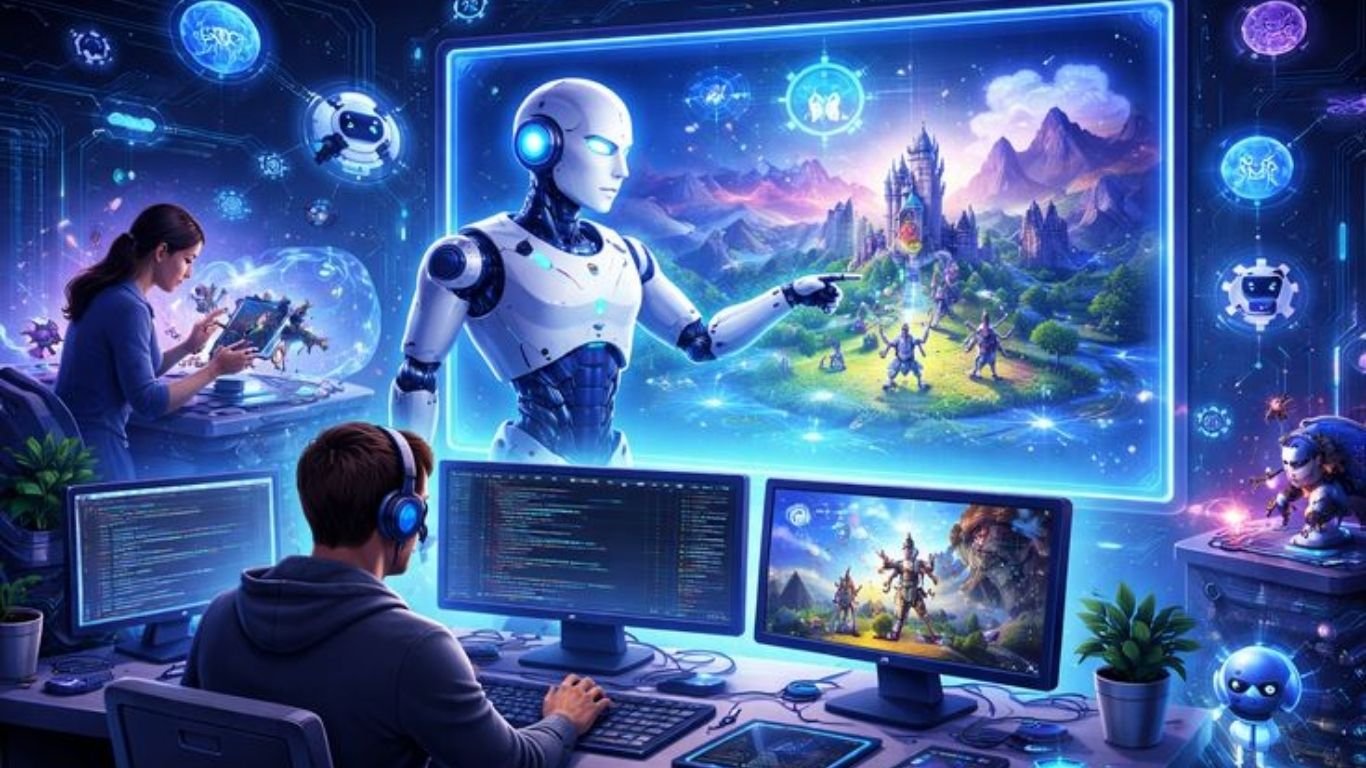
Artificial intelligence is another technology influencing games. AI can be used in different parts of game development and gameplay, including character behaviour, game testing, content creation, and player experiences.
Non-player characters can be designed to respond more dynamically to what players do. Developers can also use AI-assisted tools during parts of the development process.
The subject connects naturally with the growing discussion around artificial intelligence in everyday technology. Our article “Artificial Intelligence Is Not the Future. It Is Your Competition Today” explores the broader impact of AI and provides a useful perspective for understanding why this technology is becoming increasingly important.
In gaming, however, AI is not necessarily about replacing the player. Its more interesting role is how it can make digital worlds more responsive, unpredictable, and interactive.
Why Sci-Fi and Gaming Work So Well Together
Science fiction has had a major influence on video games. Futuristic cities, robots, space travel, advanced machines, artificial intelligence, cybernetic technology, and imaginary worlds are common themes across gaming.
This connection makes sci-fi particularly suitable for interactive entertainment. A movie can show audiences a futuristic world, but a game can allow players to explore that world and make decisions inside it.
For readers who want to understand the wider relationship between science, imagination, and technology, “What is Sci-Fi?” explains the meaning of science fiction and its connection to technology.
Gaming therefore gives sci-fi ideas another dimension: instead of simply watching the future, players can interact with it.
Games Trending in the Current Gaming Scene
The gaming landscape changes quickly, so there is no permanent list of the world’s “top” or “most trending” games. Popularity also depends on the platform and the measurement being used.The gaming landscape changes quickly, so there is no permanent list of the world’s “top” or “most trending” games. Popularity also depends on the platform and the measurement being used.
The important point is that gaming trends can change within weeks. A game can suddenly become popular because of a major update, esports event, new season, creator coverage, or community interest.
Current Steam charts, for example, show strong player activity around titles including Counter-Strike 2, Dota 2, PUBG: BATTLEGROUNDS, Apex Legends, and other multiplayer games.

Meanwhile, major upcoming releases are keeping gamers interested in what comes next. The 2026 release calendar includes highly anticipated titles such as GTA 6, while other major releases and sequels are also contributing to the year’s gaming conversation.
Open-World Games and the Growth of Interactive Worlds
One of the most noticeable developments in modern gaming is the growth of large interactive worlds.
Open-world games give players greater freedom to explore environments, complete missions, discover hidden areas, interact with characters, and approach challenges in different ways.
Technology plays a major role in making these worlds possible. Developers need powerful systems to manage large environments, graphics, physics, characters, audio, and player interactions.
This is one reason the future of gaming is likely to involve increasingly detailed and interactive digital spaces.
VR, Immersive Gaming and New Ways to Play
Virtual reality is another area where gaming and technology meet directly.
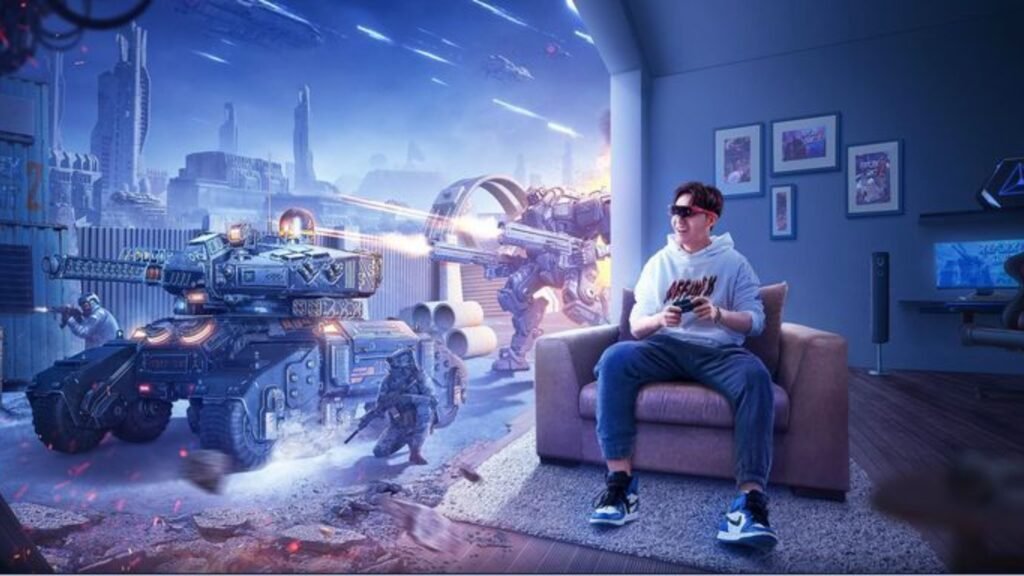
Traditional gaming places the player in front of a screen. Virtual reality attempts to create a stronger sense of presence by placing the player inside a digital environment.
This can change how games are designed. Instead of simply controlling a character from a distance, players may physically look around, interact with objects, and experience environments from a first-person perspective.
As hardware and software improve, immersive gaming could become an increasingly important part of digital entertainment.
Cloud Gaming and Accessibility
Gaming has traditionally depended heavily on local hardware. A player who wanted to run demanding games generally needed a capable computer or console.
Cloud gaming introduces another model. Instead of performing all the processing on the user’s device, some of the work can be handled remotely and streamed through an internet connection.
The experience still depends on factors such as connection quality, latency, service availability, and hardware compatibility. Nevertheless, cloud technology is an important part of the discussion about where gaming could go next.
Gaming Is Now Part of Digital Culture
Gaming is no longer limited to the relationship between a player and a console.
Today, people watch gaming livestreams, follow creators, participate in online communities, discuss new releases, watch esports, create gaming videos, and share gameplay clips on social platforms.
As a result, the gaming industry has expanded beyond traditional game sales. Streaming, esports, content creation, gaming hardware, digital marketplaces, and online communities are all connected to the modern gaming ecosystem.
Gaming has therefore become both entertainment and a social experience.
What Does the Future of Gaming Look Like?
The future of gaming will probably not depend on one single technology. Instead, different technologies are likely to work together.
Artificial intelligence could make characters and environments more responsive. Better graphics could make virtual worlds more realistic. Cloud services could change how games are delivered, while virtual reality could provide new forms of interaction.
At the same time, storytelling will remain important. Technology can create impressive worlds, but memorable characters, meaningful choices, strong narratives, and enjoyable gameplay are still central to a successful game.
This combination of creativity and technology is what makes modern gaming such an interesting part of the entertainment industry.
Final Thoughts
The relationship between gaming and technology continues to evolve rapidly. Video games have moved from simple digital experiences to complex interactive worlds that combine storytelling, technology, competition, creativity, and social interaction.
AI, virtual reality, cloud gaming, advanced graphics, and online communities are creating new possibilities, while sci-fi continues to inspire developers to imagine worlds beyond the limits of everyday life.
The most exciting part of the future of gaming may not be one particular game or device. It may be how these technologies come together to create experiences that are more interactive, connected, and immersive than ever before.
For players, gaming is no longer simply about pressing buttons and completing levels. It is becoming a way to explore digital worlds, connect with other people, experience stories, and see how technology can transform entertainment.