



Introduction: A Beautiful Beginning to a New Journey
Welcoming a baby into the world is one of life’s most beautiful experiences, but it also brings new responsibilities, questions, and challenges. Newborn Baby Care means providing a newborn with proper feeding, comfortable sleep, cleanliness, protection, medical attention, and emotional comfort. Good Newborn Baby Care helps parents understand their baby’s needs and create a safe environment during the first weeks of life. With patience, attention, and reliable information, Newborn Baby Care becomes easier to manage, helping babies grow while giving parents greater confidence. Every newborn is different, so learning about daily needs and healthy practices is an important first step.
1. Building a Strong Foundation
The first few weeks after birth are an important adjustment period for both babies and parents. Newborns need warmth, gentle handling, regular feeding, and plenty of attention. Parents should observe their baby’s behavior and learn to recognize signs of comfort, hunger, tiredness, and discomfort.
Newborn Baby Health depends on several everyday factors, including appropriate nutrition, safe surroundings, hygiene, and regular medical care. Parents should keep important contact details for their healthcare provider and attend recommended appointments.
It is also important to understand that newborns cannot communicate through words. They express their needs through movements, facial expressions, sounds, and crying. Responding patiently helps parents become familiar with their baby’s individual patterns.
2. Understanding Everyday Needs
A newborn requires regular attention throughout the day and night. Establishing a flexible Newborn Baby Daily Routine can help parents organize feeding, sleeping, diaper changes, and quiet interaction. However, newborns do not usually follow a fixed timetable, so their individual needs should always come first.
Newborn Baby Crying is one of the main ways babies communicate. A baby may cry because of hunger, a wet diaper, tiredness, temperature discomfort, or a need for closeness. Parents can gently check these possible causes and comfort the baby through holding, soft talking, or gentle rocking.
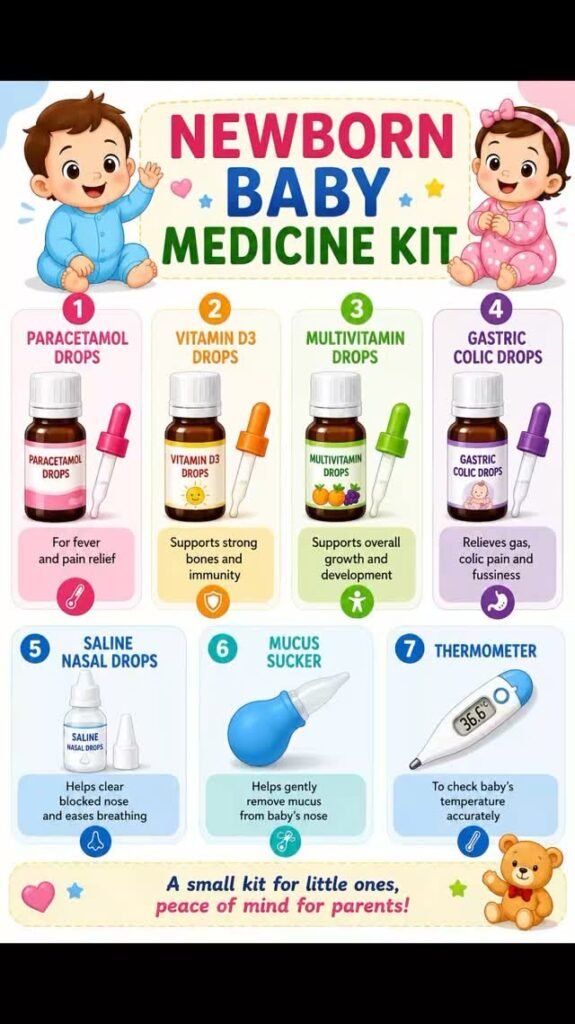
Some Newborn Baby Problems, such as occasional hiccups, mild spit-up, and irregular sleep, can be common. However, persistent crying, difficulty feeding, breathing problems, unusual sleepiness, or fever require medical attention. Never shake a baby, even when crying becomes stressful. If overwhelmed, place the baby safely on their back in the cot and take a short break.

3. Providing Proper Nutrition
Newborn Baby Feeding is essential for healthy growth and development. Breast milk is generally recommended as the preferred source of nutrition during the first six months, when exclusive breastfeeding is possible and appropriate. If breastfeeding is not possible or sufficient, parents should discuss suitable infant formula with a healthcare professional.
Newborn Baby Nutrition supports physical growth, brain development, and the immune system. During the early months, babies generally need frequent feeding, including during the night. Parents should look for hunger cues such as bringing hands towards the mouth, turning the head towards the breast, and making sucking movements.
A few important feeding practices include:
- Wash hands before preparing feeds.
- Follow the instructions for preparing infant formula.
- Never dilute formula beyond the manufacturer’s instructions.
- Hold the baby securely during bottle-feeding.
- Never prop up a bottle or leave a baby unattended while feeding.
- Seek professional advice if the baby has difficulty feeding or is not gaining weight appropriately.
Burping may help some babies release swallowed air. Parents should gently support the baby’s head and neck while holding them upright.

4. Creating a Comfortable Environment
Sleep is an important part of early childhood development. Newborn Baby Sleeping Tips should focus on creating a safe and comfortable sleeping environment rather than trying to establish a strict sleep schedule.
Always place a newborn on their back for every sleep, including daytime naps. Use a firm, flat, level sleep surface with a fitted sheet. Keep pillows, blankets, toys, and other soft objects out of the baby’s sleeping area. Room-sharing without bed-sharing is recommended, particularly during the first six months.
Newborn Baby Clothes should be soft, comfortable, and suitable for the surrounding temperature. Avoid dressing babies in too many layers because overheating can be dangerous. Parents should choose clothes that are easy to put on and remove, without tight elastic or irritating decorations.
A peaceful environment, gentle lighting, and comfortable room temperature can also help create better conditions for rest.

5. Maintaining Cleanliness and Comfort
Newborn Baby Hygiene is essential for protecting delicate skin and reducing the risk of infections. Parents should wash their hands before handling the baby, keep feeding equipment clean, and maintain a clean sleeping and changing area.
Newborn Baby Bathing does not need to happen every day. Two or three baths per week are generally enough, provided the baby’s face, neck, hands, and diaper area are cleaned regularly. Use comfortably warm water and never leave a baby unattended near water, even for a moment.
Newborn Baby Skin Care requires gentle attention because newborn skin is delicate. Use mild, fragrance-free products when needed and avoid unnecessary lotions, powders, or strong soaps.
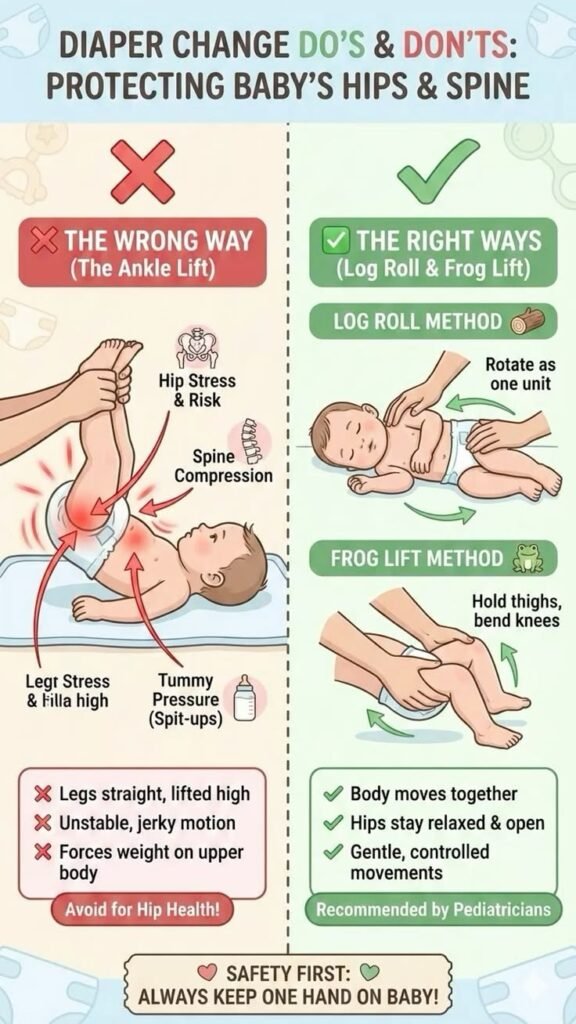
Newborn Baby Diaper Changing should be done regularly, particularly after bowel movements. Clean the area gently from front to back, allow it to dry, and apply a suitable barrier cream if needed. Keep the umbilical cord stump clean and dry, following the healthcare provider’s instructions until it naturally falls off.
6. Supporting Healthy Growth
Newborn Baby Development begins from the earliest days of life. Babies gradually develop their senses, movements, communication, and ability to respond to their surroundings. Talking softly, making eye contact, and providing gentle interaction can support early learning and bonding.
Parents can encourage healthy development through simple activities:
- Talk and sing softly to the baby.
- Hold the baby securely and provide gentle affection.
- Allow supervised tummy time while the baby is awake.
- Respond to sounds, facial expressions, and movements.
- Provide a calm environment with appropriate interaction.
Newborn Baby Health Checkup appointments help healthcare professionals monitor weight, growth, feeding, development, and general health. These visits also give parents an opportunity to discuss concerns and receive guidance.
Newborn Baby Vaccination is another important part of preventive healthcare. Vaccination schedules vary by country, so parents should follow the recommended schedule provided by their local healthcare authorities and pediatrician.

7. Protecting the Baby Every Day
Newborn Baby Safety should remain a priority at home, during travel, and whenever the baby is being handled. Babies need constant supervision because they cannot protect themselves from everyday hazards.
Some essential safety practices include:
- Never leave a newborn alone on a bed, sofa, or changing table.
- Always support the baby’s head and neck when carrying them.
- Use an age- and size-appropriate rear-facing car seat.
- Keep hot drinks, sharp objects, medicines, and cleaning products away.
- Never leave a baby alone with pets or young children.
- Avoid exposure to cigarette smoke and vaping.
- Make sure everyone handling the baby follows basic hygiene practices.
Parents should also recognize warning signs that need urgent medical attention. A temperature of 38°C (100.4°F) or higher in a baby younger than three months requires immediate medical assessment. Difficulty breathing, blue or grey lips, seizures, or unusual unresponsiveness are emergencies.

Conclusion: Giving Every Baby a Healthy Start
Caring for a newborn is a journey that requires love, patience, preparation, and continuous learning. From feeding and sleeping to hygiene, development, and safety, every small action contributes to a baby’s well-being. Parents do not need to know everything immediately; they can gradually develop confidence by observing their baby and seeking professional guidance whenever necessary.
A healthy beginning is built through consistent care, safe surroundings, appropriate medical attention, and loving family support. Every baby deserves attention, protection, and an environment where they can grow and develop safely.
Author: Tanveer Ahmed
Thank you for reading!